

The Home Visit: A Simple Guide for Hopeful Adoptive Parents

What Really Happens During a Home Visit
For many families, the phrase “home visit” is the most nerve-wracking part of the adoption process. Images of a social worker running a white glove over the mantle or critiquing your décor often come to mind. But here’s the truth: the home visit is not about perfection—it’s about safety and readiness.
What Adoption Case Workers Look For
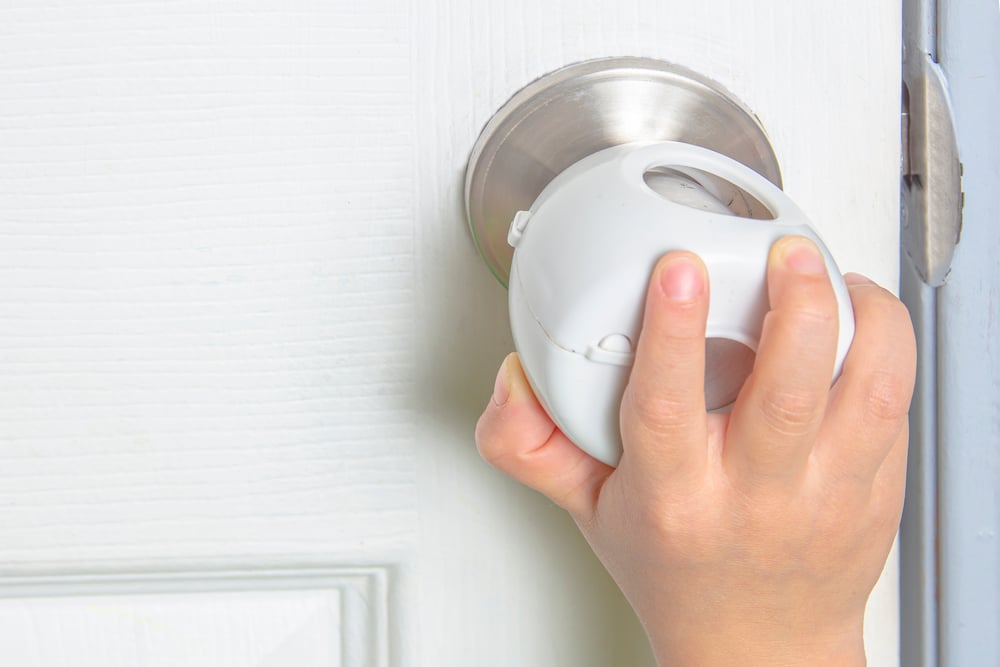
- Safe spaces: Functioning smoke detectors and carbon monoxide detectors, locked cabinets for medications, and appropriate childproofing (if needed).
- Living space: Enough room for a child, though not necessarily a separate bedroom right away.
- General condition: A clean, livable, comfortable, and welcoming environment where a child can thrive.
What They’re Not Looking For
- Fancy furniture or updated kitchens.
- Perfectly folded laundry.
- Immaculate, model-home cleanliness.
How to Prepare
- Do a safety check: Test smoke and carbon monoxide detectors, secure medications and hazardous items, and ensure pets are safe and well-managed. Want more help? Check out this site for help with Baby Proofing.
- Focus on comfort: Aim for a warm, inviting space that feels genuine and lived-in, not staged.
- Take a breath: Case workers understand real homes have toys, dishes, and life happening in them. This isn’t a test of perfection; it’s a supportive step in the process.
The home visit is also a chance for your adoption case worker to get to know you better in your natural environment. Think of it as a conversation in your own space rather than an inspection. It is a time for you to ask questions, to understand better what the next steps may look like, and to ensure you are approved for the situations you are interested in by discussing the education you completed, and asking for resources to learn about common situations seen. Your caseworker does not expect cookies and will not wear white gloves- we promise!