

Explore Compassion at Our Adoption Center Today

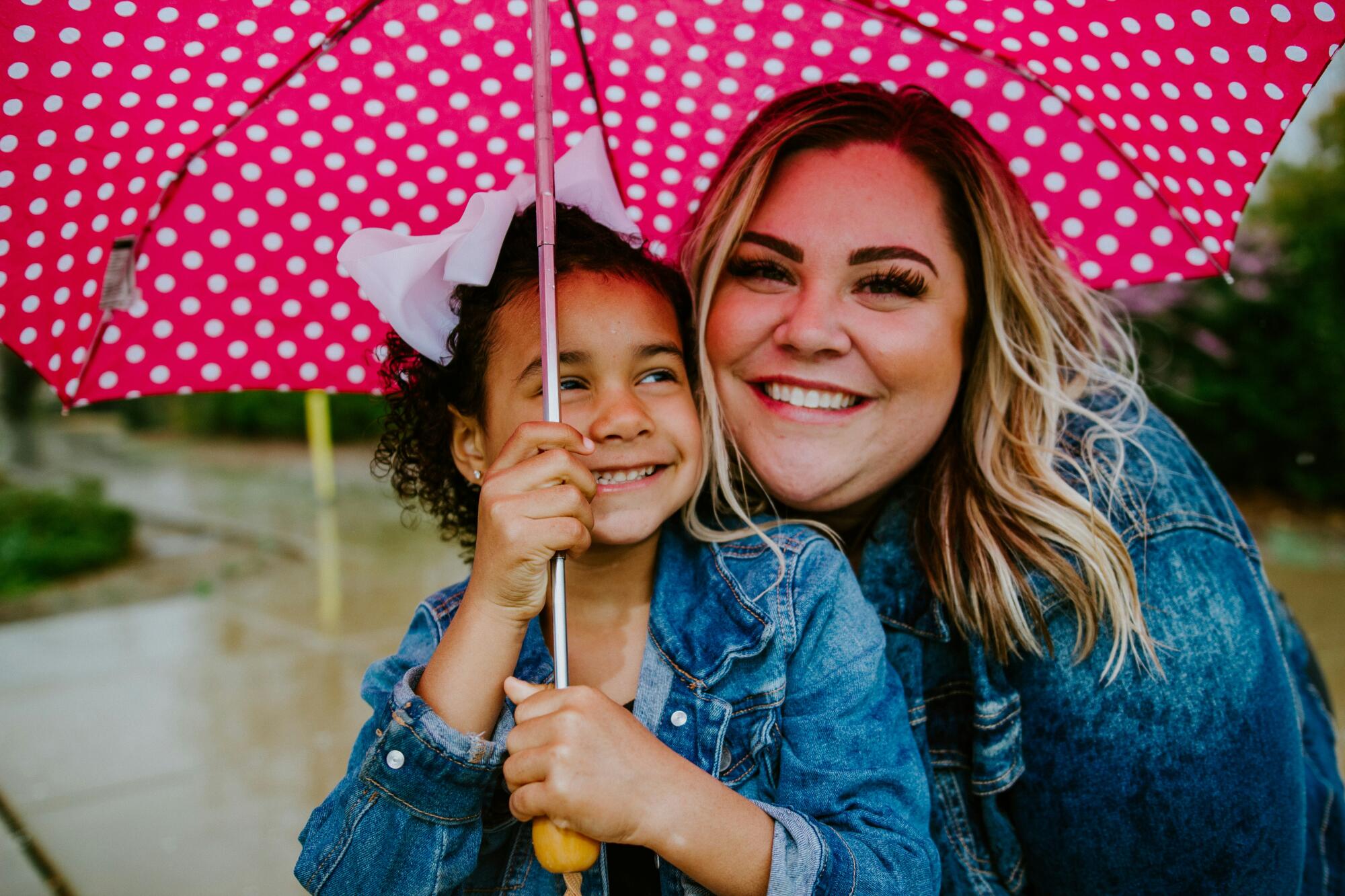
A trusted adoption center should support children, birth parents, and adoptive families with honesty, compassion, and long-term care. Ethical adoption is about protecting the dignity, history, and well-being of every child and family involved.
More than 70,000 children in the United States were waiting for adoption at the end of 2024, showing why ethical and supportive adoption services matter so much. Adoption is more than a legal process. It is a lifelong journey shaped by trust, preparation, and emotional support that continues well beyond placement.
Families considering adoption often want guidance that feels personal instead of overwhelming. The right agency helps families move forward with clarity while keeping the child’s needs at the center of every decision, offering step-by-step education and real-world preparation.
What Should Families Look for in an Adoption Center?
A trusted adoption center provides guidance, education, and emotional support throughout the entire process. Families should feel informed, respected, and clearly guided from the first conversation forward.
Many families start by looking for agencies that offer:
- Licensed adoption professionals
- Education for first-time parents
- Birth parent support services
- Clear legal guidance
- Post-placement resources
Families can also benefit from reviewing an adoption process guide before beginning their journey.
How Does Ethical Adoption Support Children and Families?
Ethical adoption focuses on creating healthy, stable outcomes for children while respecting everyone involved. This includes honest communication, informed consent, and emotional support before and after placement.
Children benefit most when adoption decisions are made carefully and with long-term well-being in mind. Ethical adoption values people over paperwork.
Agencies that prioritize ethical care often focus on:
- Child-centered placement decisions
- Support for birth parents
- Family education and preparation
- Open and honest communication
- Long-term emotional support
Many professionals also stress the importance of preserving cultural identity and family history whenever possible.
How Does Heart of Adoptions Support Families?
Heart of Adoptions has helped create families through adoption since 2001. The agency provides personalized support designed around the unique needs of children, birth parents, and adoptive families.
Unlike larger national organizations, Heart of Adoptions focuses on building close relationships with the families they serve. Their team works to make the process feel calm, informed, and manageable through direct communication and consistent case coordination.
Families deserve guidance that feels personal during such an important life decision.
The agency’s experienced team includes adoption attorneys and case coordinators who guide families through each step of the process, from initial inquiry through post-placement support.
With offices throughout Florida, Heart of Adoptions remains accessible while still providing individualized care and attention.
Why Preparation Matters for First-Time Adoptive Parents
First-time adoptive parents often experience excitement, uncertainty, and many questions at the same time. Preparation helps families feel more confident and emotionally ready for the journey ahead.
Education is an important part of building realistic expectations about adoption, parenting, and emotional adjustment.
Families preparing for adoption often focus on:
- Learning about the home study process
- Understanding adoption timelines
- Building emotional support systems
- Preparing financially
- Creating a stable home environment
Adoption preparation is not about perfection. It is about readiness, patience, and support.
Many families also find comfort in hearing real adoptive family experiences from parents who have already completed the process.
How Does Foster Care Adoption Help Waiting Children?
Many families explore foster care adoption as a way to provide stability and long-term support for children who need permanent homes.
Children waiting for adoption often benefit from safe and supportive family environments that help them build trust and stability over time.
Every child deserves a safe home where they feel valued and supported.
Families interested in adoption should understand that every child’s background and emotional needs are different. Patience, understanding, and strong support systems can make a meaningful difference during adjustment periods.
Many agencies also help families access counseling and educational resources after placement to support long-term success.
What Makes an Adoption Experience Successful?
Successful adoption experiences are usually built on preparation, communication, and ongoing support. Professionals emphasize that long-term family support can improve emotional adjustment for both children and parents after placement. Continued access to education and adoptive parenting resources can help families feel more confident during major transitions.
Healthy adoption success stories often include:
- Consistent emotional support
- Open communication
- Family education resources
- Patience during adjustment periods
- Long-term commitment to the child’s well-being
At Heart of Adoptions, families receive support before, during, and after placement because adoption continues long after paperwork is complete, with guidance that helps families adjust and grow together.
Frequently Asked Questions
How Long Does the Adoption Process Usually Take?
The adoption timeline varies based on the type of adoption, state requirements, and how quickly paperwork, background checks, and home studies are completed. Many first-time families find that the process can take several months to over a year, depending on matching, legal steps, and individual preferences.
Domestic infant adoptions may move more quickly in some situations, while foster care or interstate adoptions can involve additional legal and agency requirements.
What Happens During a Home Study?
A home study reviews a family’s living environment, background, and readiness to adopt. The process usually includes interviews, paperwork, education, and home visits.
The goal is to ensure children are placed in safe, supportive, and stable homes.
Can Adoptive Parents Stay in Contact With Birth Parents?
Some adoptions include ongoing communication between adoptive and birth families through open adoption arrangements. The level of contact depends on the agreement and what supports the child’s best interests.
Agencies help guide these conversations and establish healthy expectations for everyone involved.
What Support Is Available After Adoption Placement?
Many agencies continue offering post-placement support through counseling referrals, educational resources, and ongoing communication.
This support can help families navigate adjustment periods and strengthen long-term family relationships.
Building Families Through Compassionate Adoption Support
Choosing the right adoption center can make the journey feel more informed, stable, and compassionate from beginning to end. Ethical adoption creates opportunities for children and families to build lasting connections through care, honesty, and support.
Heart of Adoptions provides personalized adoption guidance focused on dignity, emotional support, and lifelong family well-being. Their experienced team works closely with families throughout Florida to help create positive adoption experiences centered around trust and care.
Contact us today to learn more about beginning your adoption journey with Heart of Adoptions.