
Your Guide to Navigating Adoption Paperwork

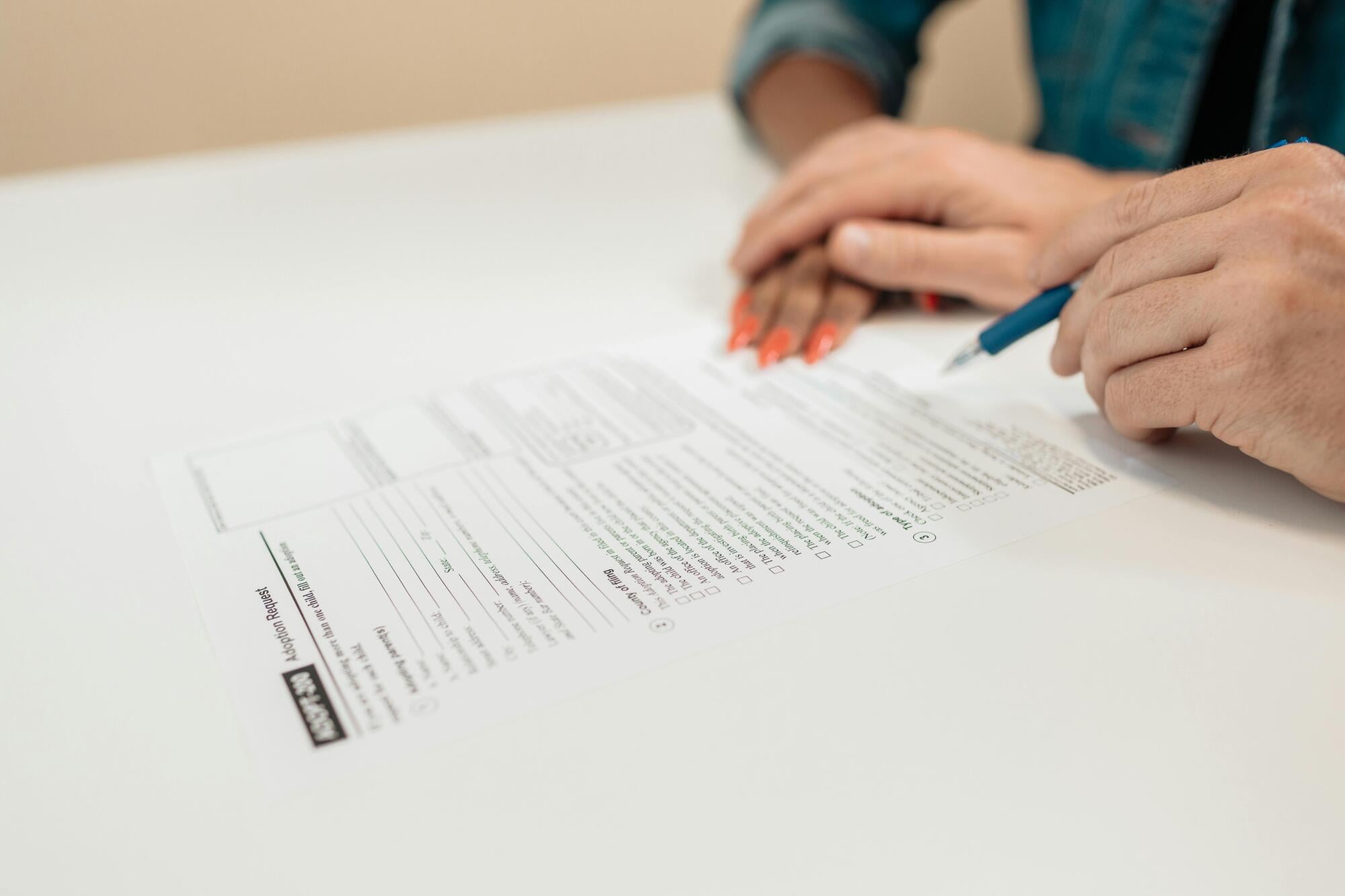
Adoption paperwork is a necessary part of the adoption process, and it makes sure that the individual or couple is qualified for the job. The goal is to guarantee the child is going to a good and safe home.
According to the Adoption Network, about one in 25 U.S. families with children has an adopted child. In roughly a quarter of these cases, children were placed in single-parent homes. With the right help, you too could join this number and expand your family.
Here is your step-by-step adoption guide for navigating paperwork and more.
Understanding Adoption Paperwork and Why It Matters
Adoption paperwork exists to protect everyone involved, especially the child. Agencies and courts rely on documentation to ensure adoptive parents are prepared, financially stable, and capable of providing a safe, loving home.
Requirements vary by country, state, and adoption type. However, most adoption documents serve similar purposes: identity verification and background checks.
Incomplete or inaccurate paperwork is a common reason why adoptions end up delayed. Learning about what documents you need is essential.
What Are the 5 Stages of the Adoption Process?
Understanding where paperwork fits into each stage can make the adoption process feel more manageable. You’ll find that pursuing legal help can make it easier to handle.
1. Application and Orientation
This stage introduces you to your agency or adoption professional. You’ll:
- Complete initial applications
- Provide basic personal information
- Attend orientation sessions
At these sessions, you’ll learn more about expectations, costs, and timelines.
2. Home Study
The home study is one of the most document-heavy stages. It includes:
- Interviews
- Home inspections
- Extensive paperwork
This paperwork often includes financial statements and medical records, as well as personal references.
Performing the home study ensures your home is safe and suitable for a child.
3. Matching
Once approved, the agency presents your profile to the birth parents or matches you with a child. This stage involves less new paperwork. You may need to provide updates or additional documentation when requested, though.
4. Placement
Placement occurs when a child comes into your home. The new parents will sign legal agreements, consent forms, and placement records at this point.
5. Finalization
Finalization completes the adoption in court. A judge reviews adoption documents, and once approved, you receive a final decree of adoption.
Essential Adoption Documents You’ll Need
Your adoption paperwork checklist will differ from other families depending on your situation, your location, and the type of adoption. Most families should expect the following:
- Birth certificates
- Marriage or divorce records
- Financial statements and tax returns
- Medical evaluations
- Background checks and fingerprinting
- Personal reference letters
- Employment verification
- Home safety inspection reports
Proof of income lets the agency know that you have consistent money coming in. Affording the cost of adoption is not enough to reassure them.
Background checks look for any criminal history. Home safety inspection reports make sure the actual property is a safe place to reside.
Creating An Adoption Paperwork Checklist
A checklist is one of the most effective tools for staying organized. Break your checklist into categories, such as:
- Personal identification
- Financial records
- Medical information
Include deadlines and note whether documents need notarization or a recent issue date.
Your legal counsel can help guide you through the process. A local one who has worked with these agencies in the past will understand what is expected from potential parents.
Managing Your Adoption Timeline
Every adoption timeline is different, but paperwork determines how quickly things move. Delays often happen when documents expire, forms are incomplete, or additional verification is required.
To keep your timeline on track:
- Submit paperwork as early as possible
- Track expiration dates for background checks and medical forms
- Respond promptly to agency requests
Domestic infant adoption in Florida could take an average of 12 months to complete. Stepchild and adult adoptions are much faster, taking less than six months.
If you go through the foster care system, you can adopt sibling groups or children over eight within four to six months.
How to Speed Up the Adoption Process?
No one can eliminate the waiting time, but there are some practical ways to reduce delays related to adoption paperwork.
First, gather documents before applying. You can collect many items, like tax returns and birth certificates, in advance.
Second, take care to read any instructions and double-check every form before submission. Finally, work with an experienced adoption professional to avoid mistakes. Stay proactive and follow up with any official agencies.
Frequently Asked Questions
Do Adoption Documents Differ By Adoption Type?
Yes. Domestic, international, and foster care adoptions each have documentation requirements. International adoptions often involve immigration paperwork, while foster care adoptions may require additional court reports.
How Long Are Adoption Documents Valid?
Many documents have expiration dates. Background checks and medical forms often expire within 12 months. Financial documents may need annual updates.
If your home situation changes in any way, such as with a divorce, that will require updated paperwork. The same may apply if you adopt a pet, as that can introduce potential allergens.
Can Missing Paperwork Delay Placement?
Yes. Incomplete or outdated paperwork can delay matching or placement, even if other steps are complete. Always check with your legal aid to make sure you’ve filled everything out as needed.
Can I Adopt As a Foster Parent?
Yes, foster parents can adopt. In fact, foster-to-adopt is one of the most common adoption paths in the United States.
Many parents who enter foster care are unable to return to their biological families. Foster parents are often given priority consideration because they have already established a relationship with the child.
Make Your Adoption An Easier Process
Navigating adoption paperwork may seem daunting, but understanding each step makes it far more manageable. Learn which adoption documents the agency requires, and create a detailed adoption paperwork checklist. Doing so can help you reduce delays and focus on what truly matters, like welcoming a child into your family.
Heart of Adoptions, Inc. helps families in Florida find the right placement for their child. We’re there for both mothers who wish to put their child up for adoption as well as the new parents who want to adopt.
Please contact us with any questions or to share your situation.