
The Dangerous Myth That Immediate Attachment Always Follows a Perfect Domestic Newborn Match

Attachment within an adopted family rarely arrives as an instant surge of love. For most parents, it builds through consistent caregiving over weeks and months, and that gradual process is both normal and healthy.
According to the National Council for Adoption, an estimated 11-12% of adoptive parents experience post-adoption depression, yet the condition receives a fraction of the awareness that postpartum depression does. When parents expect fireworks and feel something quieter instead, shame fills the gap fast.
This guide covers what attachment actually looks like, why unrealistic expectations create real emotional risk, and what building a secure bond from day one involves.
Where Does the “Instant Bond” Myth Come From?
People tend to share adoption stories that ended in joy, and social media naturally amplifies the most emotionally charged moments. That kind of storytelling creates a very specific picture of what adoption should feel like, and many families step into the process already carrying that picture in their heads.
Communities portray domestic newborn placement bonding as an instant, overwhelming experience so often that many parents treat it as the expected standard. Parents who felt immediate love are simply more likely to share that experience publicly, which leaves quieter, more gradual stories far less visible.
The “meant to be” framing suggests that real belonging should arrive on day one, and when it comes more slowly, parents can start to feel like something has gone wrong with the placement or even with themselves.
What Does Attachment Actually Mean for a Parent and Child?
Attachment in child development actually refers to a pattern of trust that builds between a baby and a caregiver through repeated, reliable responses over time. A baby sends a signal, a caregiver responds consistently, and the child’s brain gradually learns that this person is safe.
That cycle of signal, response, and calm is what wires security into a developing brain, building steadily through repetition over days and weeks.
For parents, a somewhat similar process unfolds through daily caregiving: feeding, soothing at 3 a.m., learning the baby’s particular cries, and watching them settle in familiar arms.
Why Expecting Instant Love Can Be Emotionally Dangerous
When parents expect an overwhelming rush of feeling and experience something quieter, that gap between expectation and reality creates real distress. Post-adoption depression syndrome is a recognized condition, yet many parents work through it in silence, never quite naming what they are going through.
Adoptive mother mental health often suffers most when there is no space to be honest about a muted or mixed emotional response. Some parents hide their true feelings from professionals, pull back from support networks, or overcompensate in other ways out of fear. Catching warning signs early can really make a difference.
Signs that a parent may need professional support include:
- Persistent numbness or disconnection from the child lasting more than a few weeks
- Consistently reading normal infant fussiness as proof that something is wrong with the match
- Withdrawing from adoptive parent groups, family members, or a support worker
- Feeling unable to share emotional struggles with a partner, caseworker, or counselor
What Building Attachment From Day One Really Looks Like
Building secure attachment starts with actions that a parent takes day after day. Parents who respond consistently to their child create the conditions for trust to grow, and the emotional bond often deepens more gradually than many expect.
Parents’ emotional well-being throughout this period matters too. Heart of Adoptions, Inc. reflects this by building a fully individualized plan for every family and offering lifetime post-placement support through the HOPE program, giving parents real access to guidance well past the day of placement.
In fact, daily caregiving routines are what shape a baby’s sense of safety over time. Clinicians and adoption specialists typically point to several practices that support early attachment, including:
- Responding to cries consistently so the baby learns their needs will be met
- Holding the baby skin-to-skin often to calm the nervous system and build familiarity
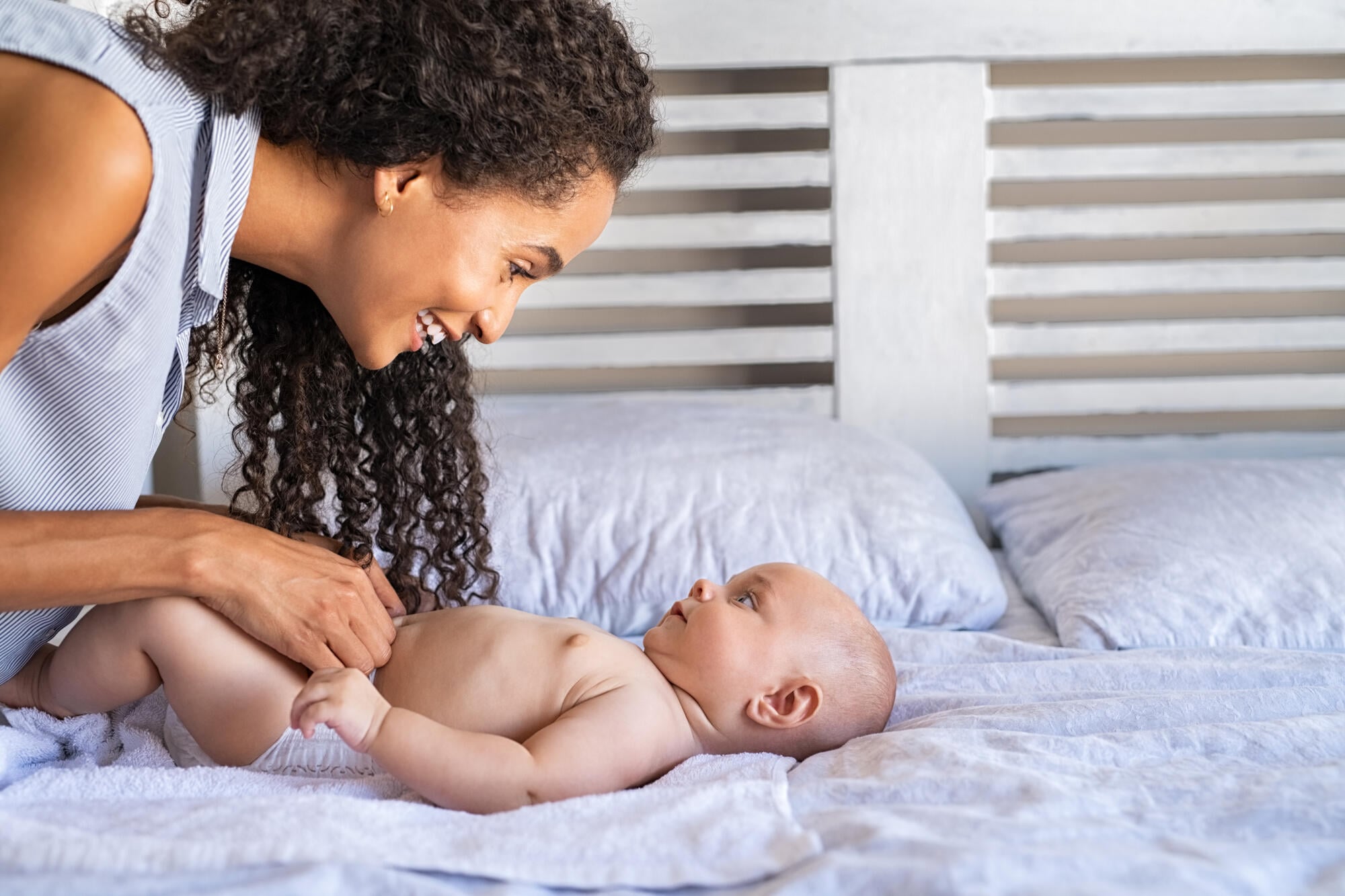
- Using eye contact, a warm voice, and gentle touch during feeding and settling routines
Setting Realistic Expectations For Your Adopted Family
Realistic adoption expectations give families a significantly firmer foundation than the instant-bond story provides. Some parents feel bonded from day one, and many others grow into that bond over weeks and months of ordinary, repeated caregiving, and both experiences are completely valid.
Children, of course, need time in their own right. Even a domestic newborn has experienced early separation from a familiar environment and the voice they heard throughout pregnancy. That can show up as fussiness, sleep difficulty, or brief periods of withdrawal.
Parents who know this read those cues as needs rather than rejection, and that steady, responsive presence, day after day, is precisely what builds lasting attachment.
Frequently Asked Questions
What Is the Difference Between Bonding and Attachment?
Bonding typically refers to the emotional connection a parent feels toward a child, which can develop quickly or take considerable time. Attachment refers to the child’s felt sense of security with their caregiver, and it builds through repeated, reliable caregiving responses over weeks and months.
When Should Adoptive Parents Seek Support for Bonding Difficulties?
If feelings of disconnection or anxiety persist for more than a few weeks after placement, reaching out to an adoption-competent therapist is a very reasonable step. Waiting often makes patterns harder to shift, so early support typically produces better outcomes for both parent and child.
Are There Therapy Approaches Designed for Adoptive Families?
Several evidence-informed approaches work quite well with adoptive families, including Trust-Based Relational Intervention, Theraplay, and Dyadic Developmental Psychotherapy. A therapist who specializes in adoption will naturally help identify which approach best fits the child’s age and the family’s particular situation.
Give Your Bond the Space It Needs to Grow
Attachment in an adopted family grows through everyday acts of caregiving – and gradual bonding is entirely normal and healthy. Parents who hold this understanding are better equipped to stay patient, seek help early, and build a lasting connection.
At Heart of Adoptions, Inc., every family receives a fully individualized plan built around their specific needs – a commitment founder and attorney Jeanne T. Tate has upheld since 2001. Available 24/7, 365 days a year, we provide lifetime post-placement support through the HOPE program. Contact us today to start with a licensed, attorney-led agency that understands adoption at every level.